Books on totalitarianism reveal how governments control thoughts, crush dissent, and reshape reality itself. From Anne Applebaum's chilling account of Stalin's engineered famine to Timothy Snyder's urgent warnings about modern threats, these works show what happens when power goes unchecked. John Perkins exposes economic manipulation, while Barbara Demick gives voice to those living under North Korea's regime. Jason Stanley breaks down the playbook of fascism.
These six books don't just explain history — they help you recognize warning signs in your own world.
Books about totalitarianism that expose hidden control
You believe you have freedom, but is it possible the system operates deeper than you think? John Perkins' 'The New Confessions of an Economic Hit Man' demonstrates how dictatorship does not always involve a uniform. Perkins was an Economic Consultant who ensnared countries in debt. His task was simple: to convince leaders to take on large amounts of debt for projects that would never pay for themselves. When countries were unable to repay, corporations stepped in to extract resources and labor.
Perkins reveals economic totalitarianism. Instead of tanks and secret police, it uses debt and dependency. Perkins describes meetings where he promised development but delivered exploitation. He watched governments fall and democracies crumble—not from invasions, but from calculated financial pressure.
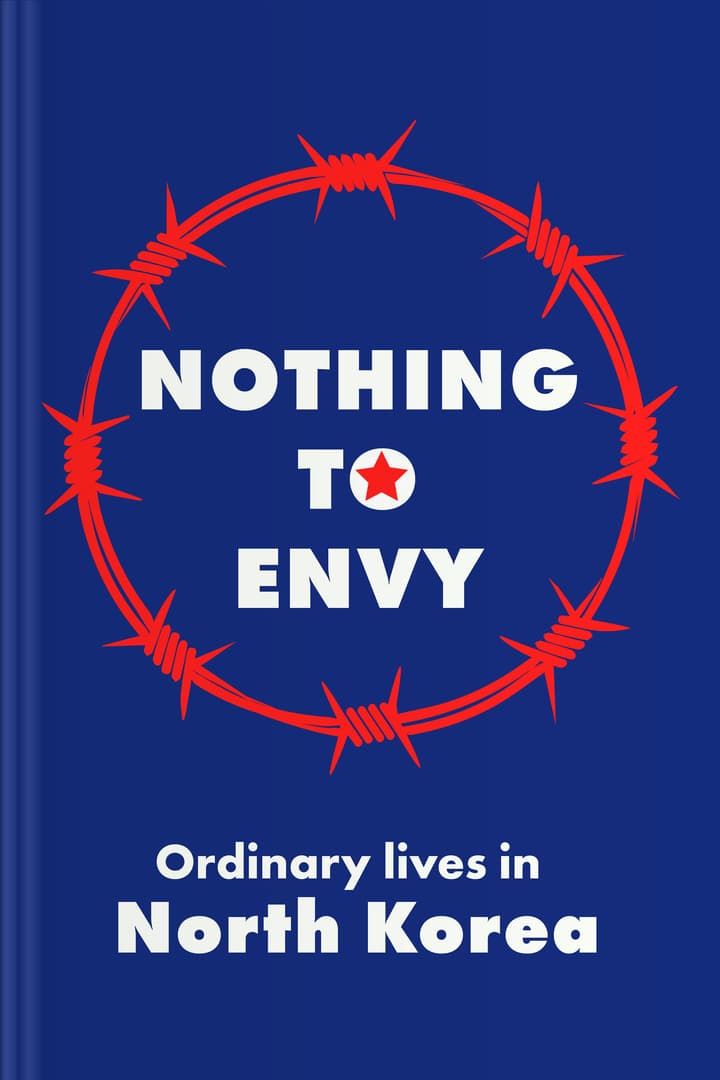
'Nothing to Envy' by Barbara Demick takes you inside North Korea, where totalitarianism controls every breath. Demick interviewed defectors who lived under constant surveillance. She tells the story of a doctor who performed surgeries without electricity, a teacher who taught lies as facts, and lovers who met in darkness because electricity was rationed.
'Nothing to Envy' demonstrates how totalitarian regimes not only control actions but also control information, relationships, and even hope. People starved while being told they lived in paradise. Books on totalitarianism like this one prove that understanding oppression starts with hearing from those who survived it.
Books on totalitarianism that decode fascism's tactics
You've seen the patterns, but do you know what they mean? Timothy Snyder's 'On Tyranny' gives you twenty lessons from the twentieth century. Snyder is a historian who specializes in the study of the collapse of democracies. His book is short, direct, and alarming. He warns against obeying in advance, defending institutions, and believing official propaganda.
Each lesson connects historical events to present dangers. Snyder explains how the Nazis rose to power not through force alone, but through citizens who looked away. He shows how language gets corrupted, truth becomes negotiable, and normal people enable atrocities. This book doesn't just analyze the past—it equips you to protect the future.
'How Fascism Works' by Jason Stanley breaks down the fascist playbook into ten tactics. Stanley is a philosophy professor who examines how leaders utilize fear, nostalgia, and victimhood as tools for manipulation and control. He explores propaganda techniques, explains how fascists create mythical pasts, and shows why they target education and truth.
'Red Famine' by Anne Applebaum documents Stalin's deliberate starvation of Ukraine in the 1930s. Applebaum spent years researching archives and testimonies to reveal how totalitarianism weaponizes food. Stalin confiscated grain, blocked aid, and denied the famine existed while millions died.
Books about totalitarianism like this force you to confront what happens when power answers to no one. These books don't offer easy answers, but they give you the tools to recognize danger before it's too late.

 Self-growth
 Business & Career
 Success
 Communication
 Healing
 Relationships
 Psychology
 Happiness