You scroll, you share, and you believe the info you see. Have you wondered who determines what shows up in your feed? Books about media do a decent job in explaining the machinery of how news gets curated, why stories become viral, and what happens when the intersection of journalism and power constructs politics.
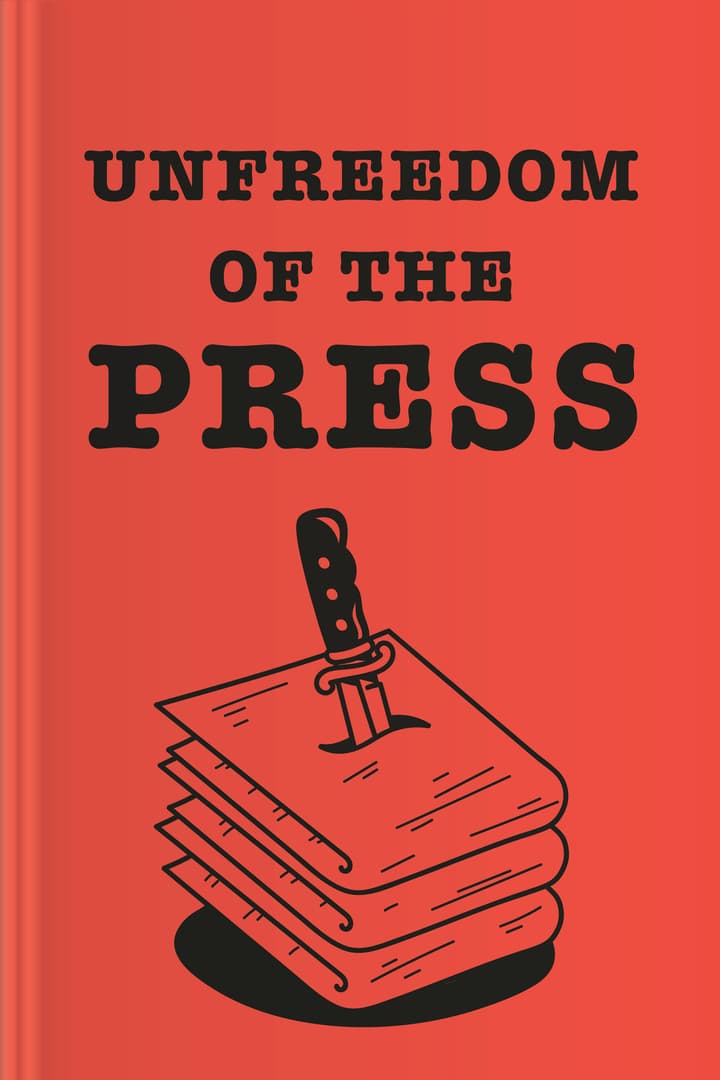
Authors like Mark R. Levin in 'Unfreedom of the Press' and Ronan Farrow in 'Catch and Kill' show you the machinery behind the headlines. These books about media help you spot manipulation, understand propaganda, and think twice before hitting "share."
Books on media reveal how information controls us
Books on media explain why you can't stop checking your phone. Adam Alter's 'Irresistible' breaks down the psychology behind addictive apps and endless scrolling. Tech companies hire experts to keep you hooked, and Alter shows exactly how they do it. You're not weak-willed. You're up against billion-dollar research designed to exploit your brain chemistry.
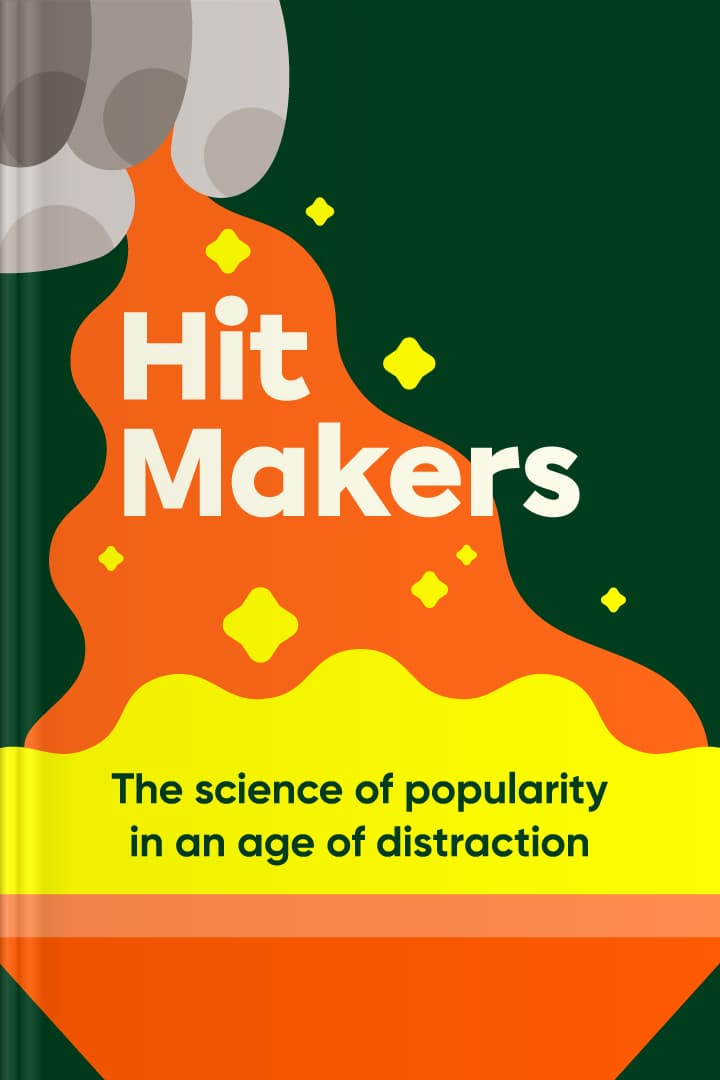
Derek Thompson's 'Hit Makers' answers a different question: why do some ideas spread while others die? He tracks how songs, movies, and news stories become cultural moments. Spoiler: it's not always about quality. Sometimes it's a matter of timing, sometimes it's repetition, and sometimes it's pure luck combined with a smart strategy.
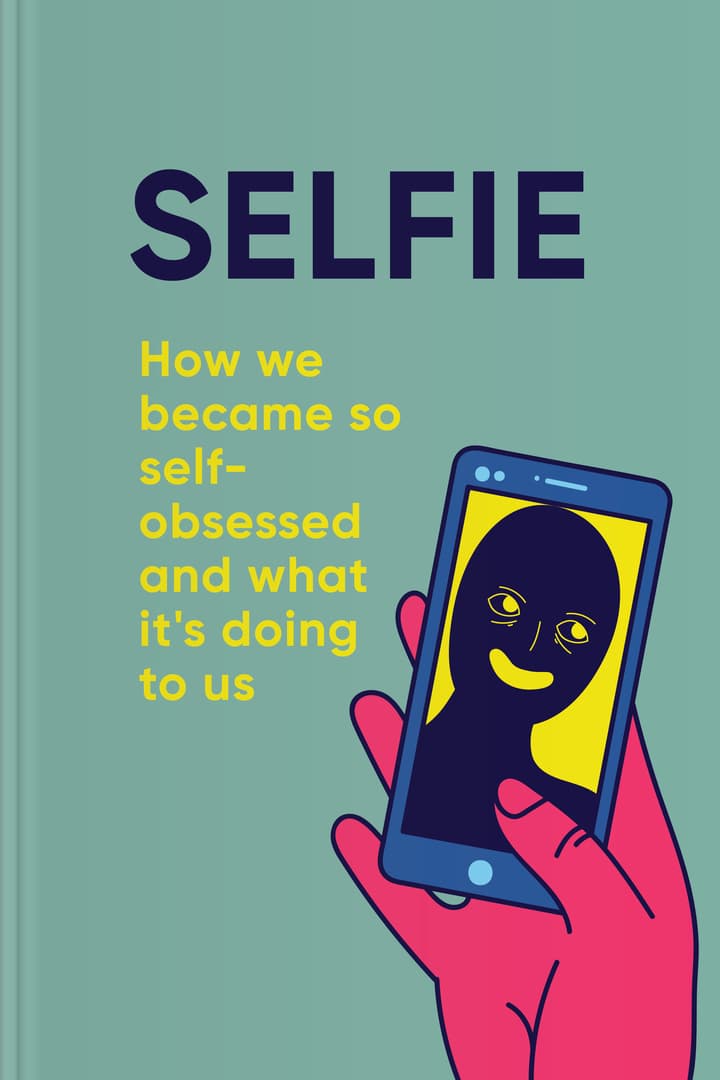
Will Storr's 'Selfie' digs into how social media warps your self-image. You compare your behind-the-scenes to everyone else's highlight reel. Storr connects this to rising anxiety and depression rates, showing how platforms profit from your insecurity. The book doesn't just complain about the problem. It traces our obsession with status and explains why it has worsened.
Books about media show you the dark side of journalism
Books about media expose what happens when journalism faces threats.
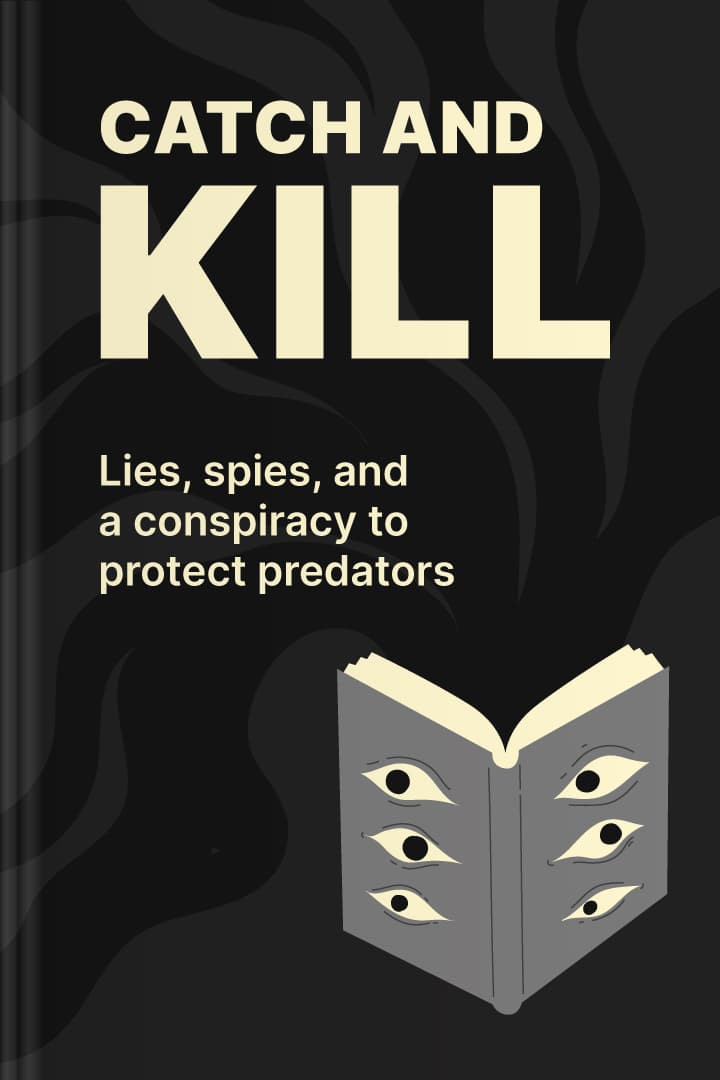
Ronan Farrow's book 'Catch and Kill' is a true journalistic thriller that reads like a spy novel, only it's all real. Farrow tells how he investigated the stories of sexual abuse by producer Harvey Weinstein and how influential people tried to cover it up, "catch and kill" (that is, suppress the truth before it becomes public). He describes how the mechanism of silence works: paid journalists, private investigators, threats, broken careers. And at the same time, it shows the incredible courage of the women who still dared to speak out.
'Unfreedom of the Press' by Mark R. Levin argues that modern journalism has abandoned objectivity. Levin details how newsrooms have become echo chambers and how activist reporting has replaced fact-based coverage. You might not agree with all his conclusions, but he provides specific examples of bias you can verify yourself.
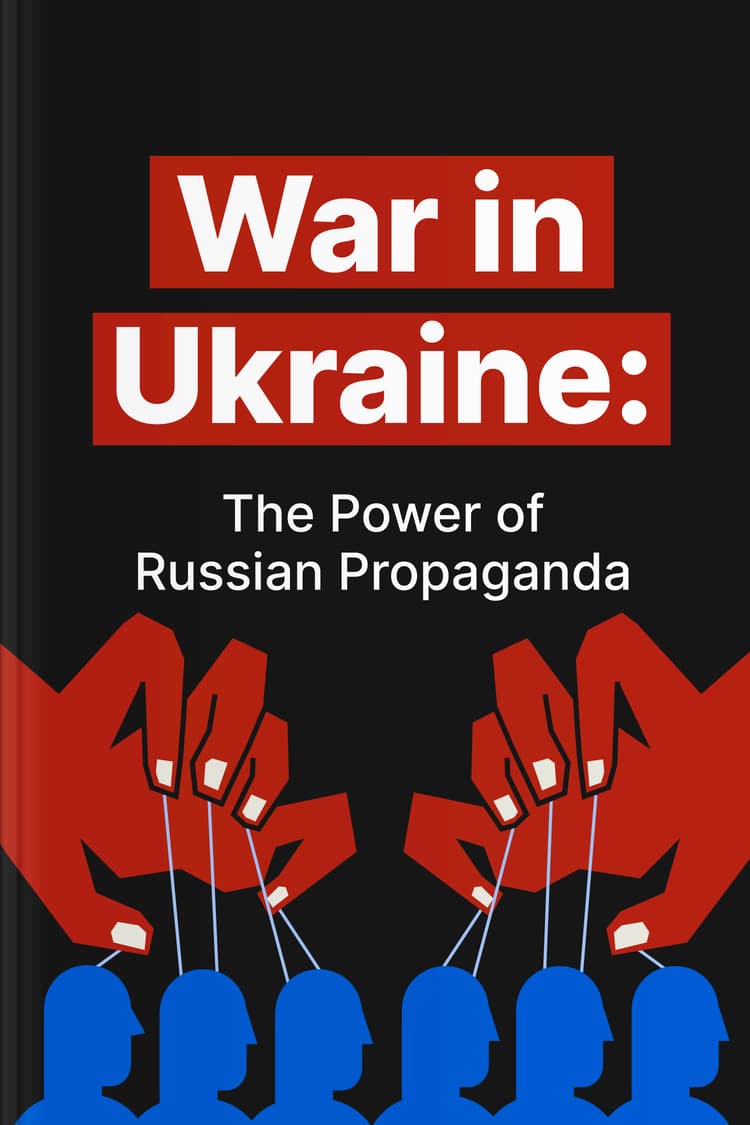
'The Power of Russian Propaganda' is not a book of fiction, but rather a journalistic investigation, compiled from materials from media outlets such as Vox, the BBC, and The Guardian. It explains how Russia uses propaganda as a weapon — not just in wars, but in everyday politics, culture, and media.
The key idea is that propaganda no longer looks like Soviet slogan posters. It has become thin, blurry, meme-like. Instead of imposing a single truth, it creates chaos and doubt: "no one knows who to believe — so everyone is lying."
Reading books about media won't make you immune to manipulation. But you'll recognize the patterns. You'll ask better questions. You'll stop assuming every viral story is true just because your favorite influencer shared it.

 Self-growth
 Business & Career
 Success
 Communication
 Healing
 Relationships
 Psychology
 Happiness