You walk out of another interview wondering what went wrong. You prepared answers, researched the company, and wore your best outfit. Yet somehow, the conversation felt off. Maybe you rambled through that "tell me about yourself" question. Or froze when they asked about your weaknesses. The truth?
Most people never learn how to interview properly. They just keep hoping the next one goes better. The best books on interviewing teach you what your career counselor never did: how to turn awkward Q&As into genuine conversations that land offers.
Books on interviewing that teach real conversation skills
Books on interviewing help you stop treating interviews like interrogations.
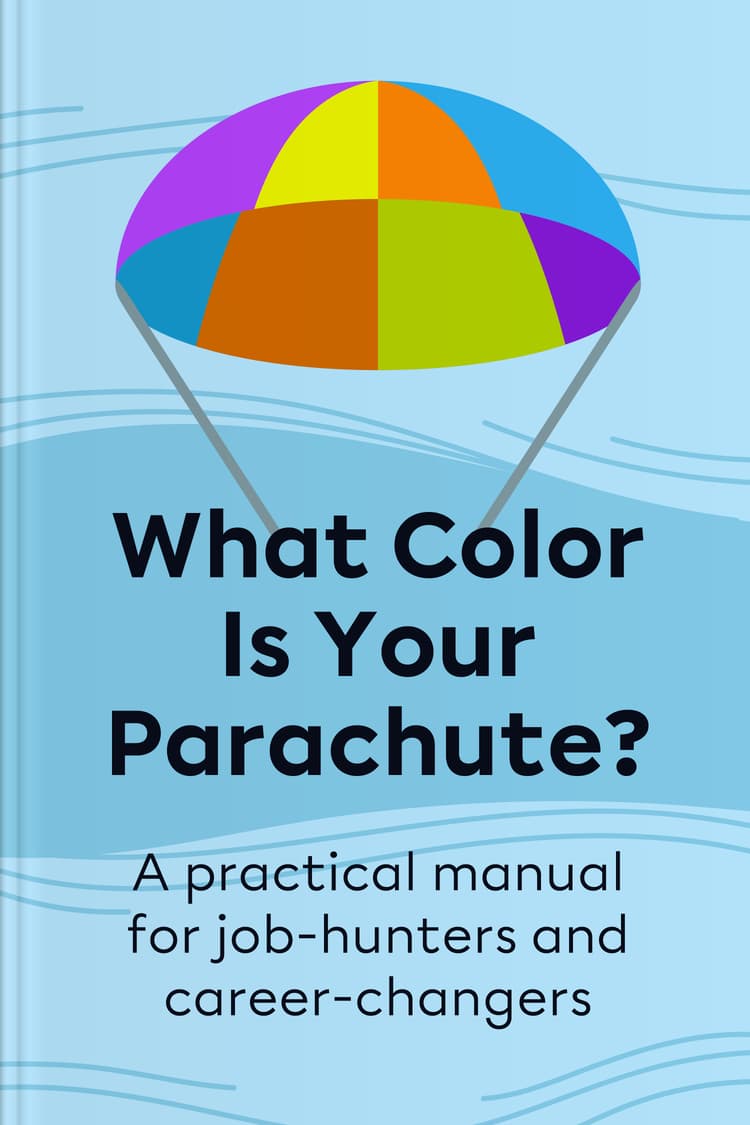
In 'What Color Is Your Parachute?', Richard N. Bolles reminds you that an interview is a two-way street; you are not only answering questions that the interviewer asks you — you are figuring out if this job works for your life. Bolles describes how to do enough research on companies that you walk into the interview already knowing what problems they have. Then, you map yourself as the solution to these problems. This is the point where interviews aren't a stressful hunt anymore.
The book also addresses the aspects that nobody talks about. What do you say when there's a gap in your resume? How do you explain why you left your last job without sounding bitter? Bolles doesn't give you scripts to memorize. He teaches you to be honest in ways that still protect you.
You learn to frame your story so it makes sense to the interviewer. You practice talking about failures without making yourself look incompetent. The goal isn't perfection. It's showing up as someone real who can actually do the work.
Best books on interviewing for high-stakes conversations
The best books on interviewing prepare you for moments when everything matters.
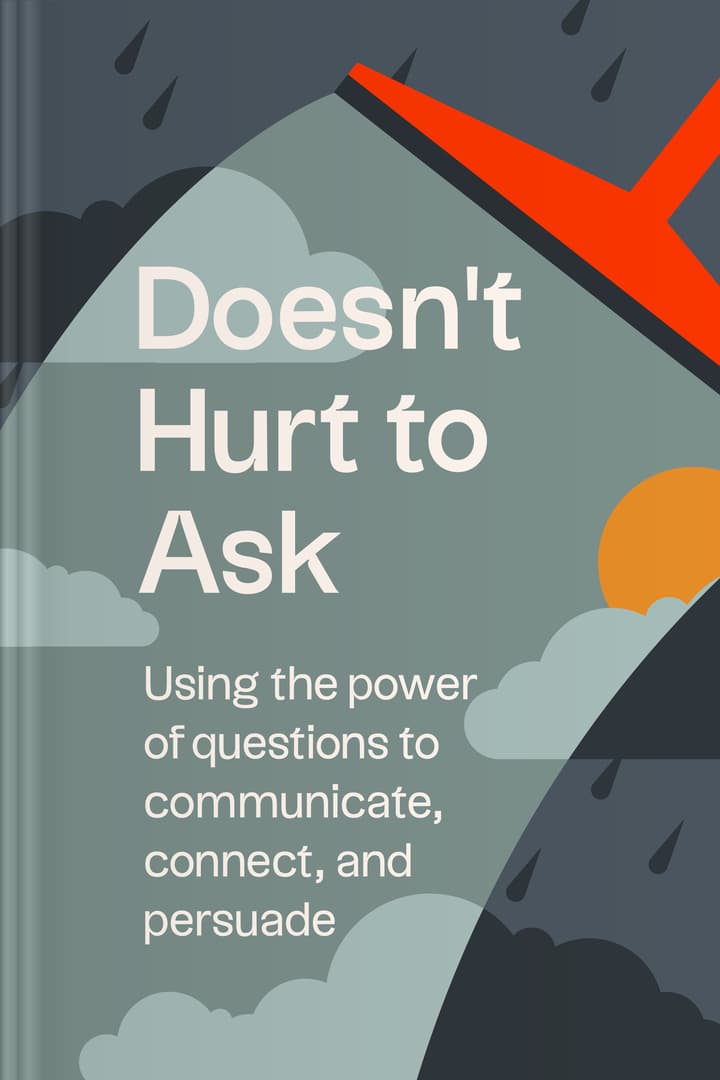
Trey Gowdy's 'Doesn't Hurt to Ask' stems from years of questioning people in courtrooms and on Capitol Hill. He knows how to get information from people who don't want to give it. But more importantly, he knows how to build trust fast. That's what you need in interviews.
Gowdy explains why most people struggle with asking effective questions. They're so focused on their next answer that they don't listen. In interviews, this kills your chances. Hiring managers notice when you're just waiting for your turn to speak.
Gowdy teaches you to ask questions that show you've actually heard what they said. You dig deeper into the role. You clarify expectations. You find out what success looks like in their eyes. Suddenly, you're having a conversation, not performing.
The book also covers how to handle tough questions without getting defensive. When they ask why you want to leave your current job, you don't trash your boss. When they question your qualifications, you don't panic. You stay calm and give them what they need: evidence that you can handle pressure and communicate clearly. That's often the deciding factor.

 Self-growth
 Business & Career
 Success
 Communication
 Healing
 Relationships
 Psychology
 Happiness