You carry wounds you didn't choose. Maybe it's the parent who dismissed your feelings, the partner who weaponized your vulnerabilities, or trauma that echoes through generations.
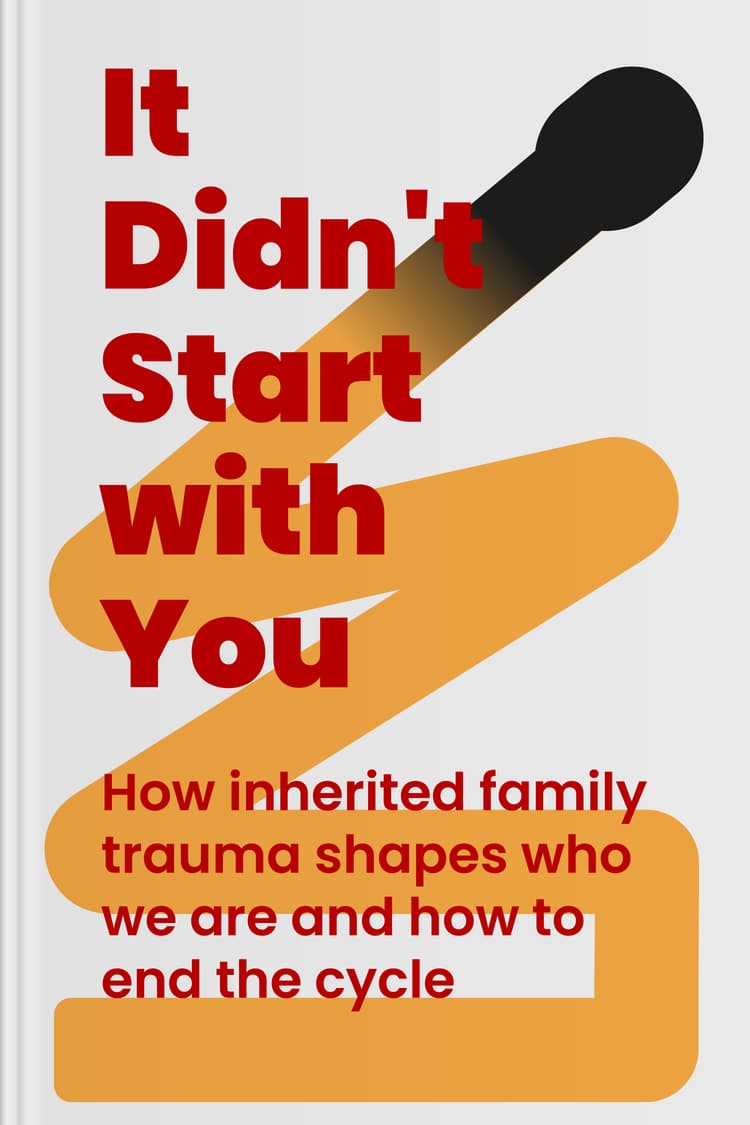
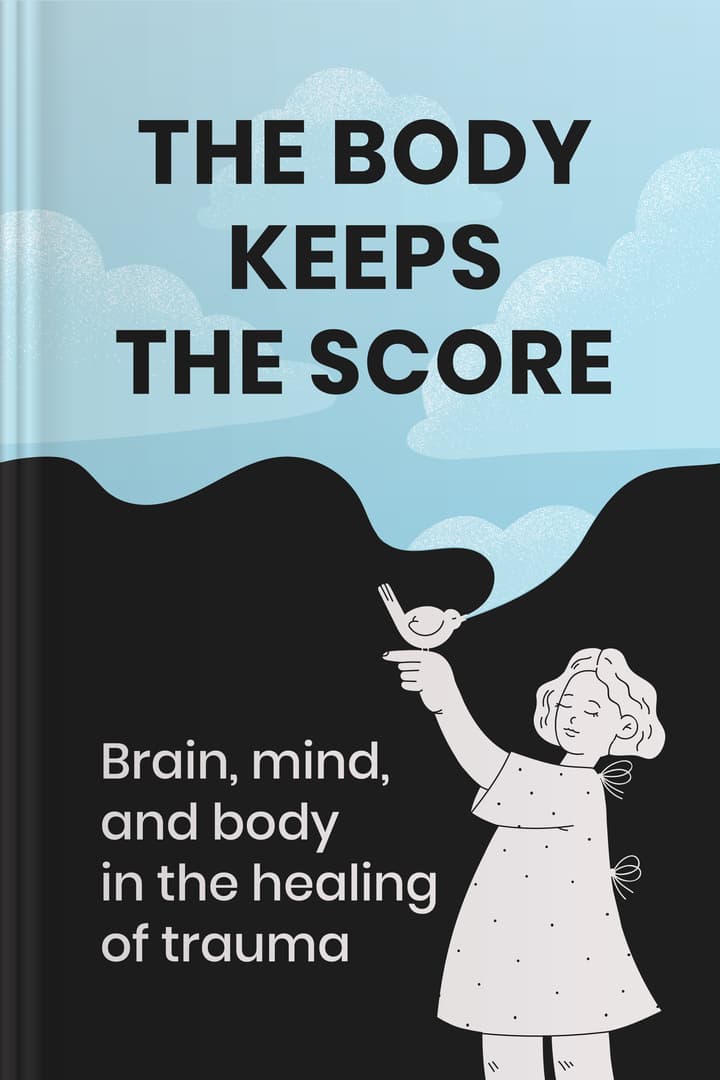
Books on emotional healing won't erase your past, but they do something better — they help you understand it. Authors like Bessel van der Kolk in 'The Body Keeps the Score' and Mark Wolynn in 'It Didn't Start with You' show how emotions lodge in your body and family history. These eight books offer more than comfort. They give you language for what you've endured and tools to move through it.
Books on emotional healing that address codependency and manipulation
Books on emotional healing tackle the patterns that keep you stuck.
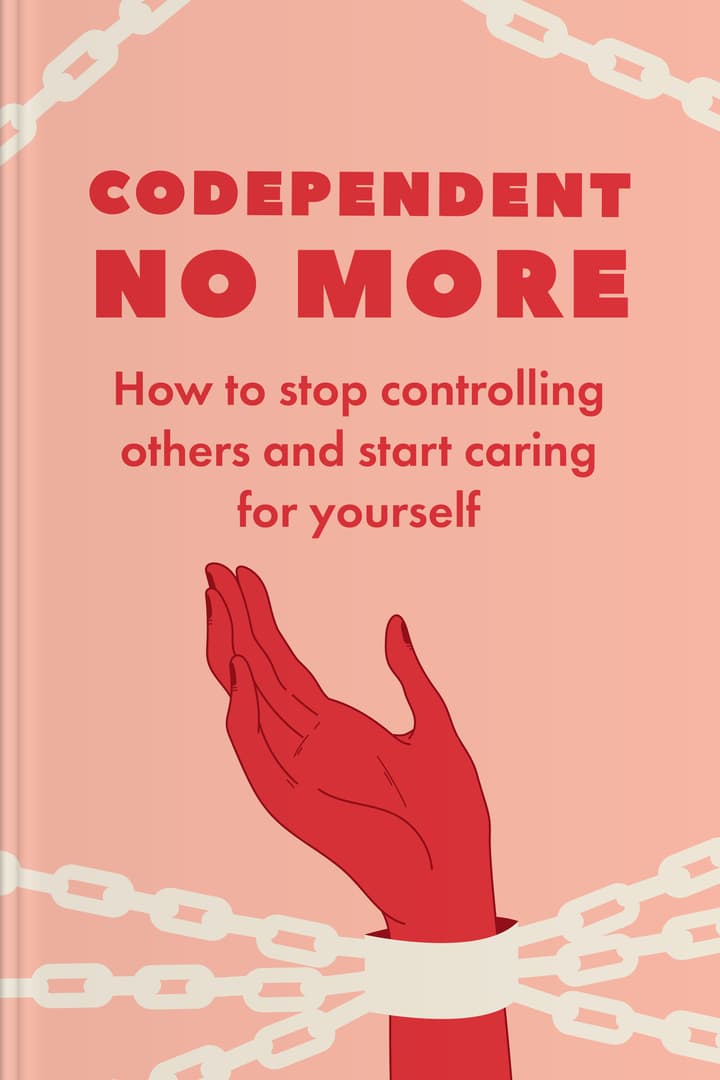
Melody Beattie's 'Codependent No More' remains essential reading for anyone who loses themselves in relationships. She writes about the people who manage everyone's feelings except their own, who say yes when they mean no, and who believe loving someone means fixing them. Beattie doesn't offer easy answers. She explains how codependency develops and why changing these patterns initially feels impossible.
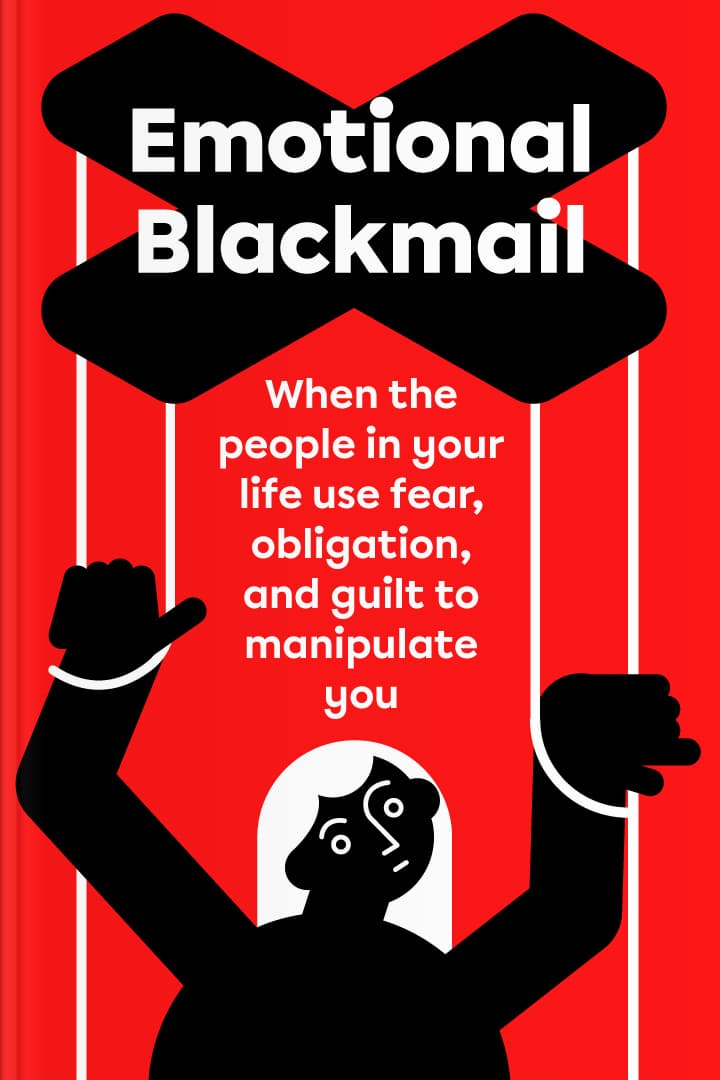
Susan Forward's 'Emotional Blackmail' exposes manipulation tactics you might not recognize as abuse. Forward identifies FOG — fear, obligation, and guilt — as the primary tools manipulators use. She gives very real-life examples: "If you love me, you must…", "You disappointed me…", "I suffer because of you…". You read it — and suddenly you see these scenarios in your own conversations.
The book is valuable because it gives clear steps on how to get out of such patterns: set boundaries, not succumb to manipulation, and reduce your own internal fear of losing the relationship.
Best books for emotional healing through body awareness and ancestral patterns
The best books for emotional healing recognize that trauma lives in your body, not just your thoughts.
Bessel van der Kolk's 'The Body Keeps the Score' explains why you might freeze during conflict or feel anxious without knowing why. Van der Kolk spent decades studying trauma survivors and found that talk therapy alone often fails. Your nervous system remembers what your mind tries to forget. He explores treatments like EMDR and yoga that help release stored trauma.
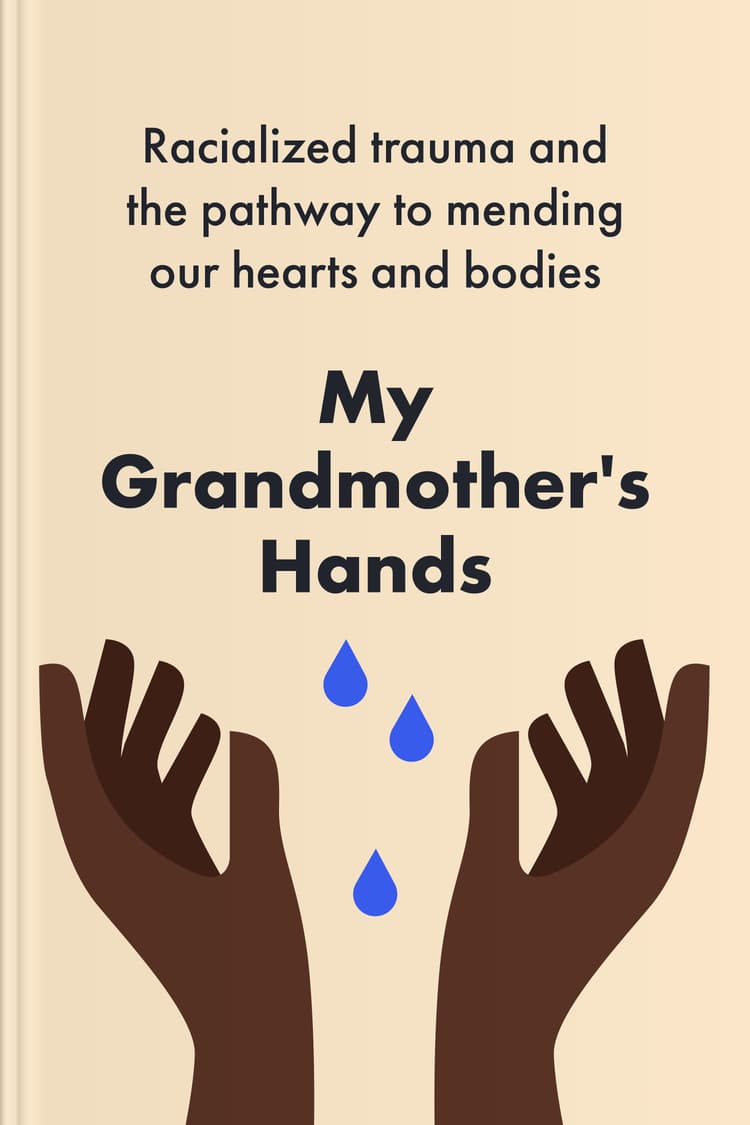
Resmaa Menakem's 'My Grandmother's Hands' extends this understanding across generations and racial lines. He argues that trauma doesn't disappear when people refuse to discuss it. Instead, it passes down through families and communities. Menakem focuses on racialized trauma in America and offers body-based exercises to interrupt these cycles.
Mark Wolynn's 'It Didn't Start with You' takes a similar approach to inherited family trauma. He shows how your anxiety or depression might connect to events that happened before you were born. Both authors provide practical methods for healing wounds you inherited.
Louise Hay's 'Heal Your Body' connects physical symptoms to emotional patterns.
At the same time, Joan Didion's 'The Year of Magical Thinking' offers an honest account of grief that refuses to follow any timeline.

 Self-growth
 Business & Career
 Success
 Communication
 Healing
 Relationships
 Psychology
 Happiness