You find yourself in an awkward situation at work. Your colleague is defensive, your boss is upset, and you are caught in the middle, just trying not to escalate an already uncomfortable situation. It turns out that diplomacy doesn't just belong to those who wear suits and run the world. Diplomacy is for anyone who wants to resolve conflicts with kindness and civility.
Books on diplomacy teach you to read the room, find common ground, and get what you need without turning every disagreement into a battle. These six books on diplomacy will show you how.
Books on diplomacy that teach you to communicate better
Books on diplomacy help you handle disagreements without drama. You learn to stay calm when emotions run high, which matters more than you'd think. Most arguments escalate because someone got defensive or aggressive at the wrong moment.
'The Anatomy of Peace' by The Arbinger Institute shows why conflicts spiral out of control. The book explains that we often perceive others as obstacles rather than people. Once you shift that perspective, conversations change. You stop trying to win and start trying to understand. That's when real progress happens.
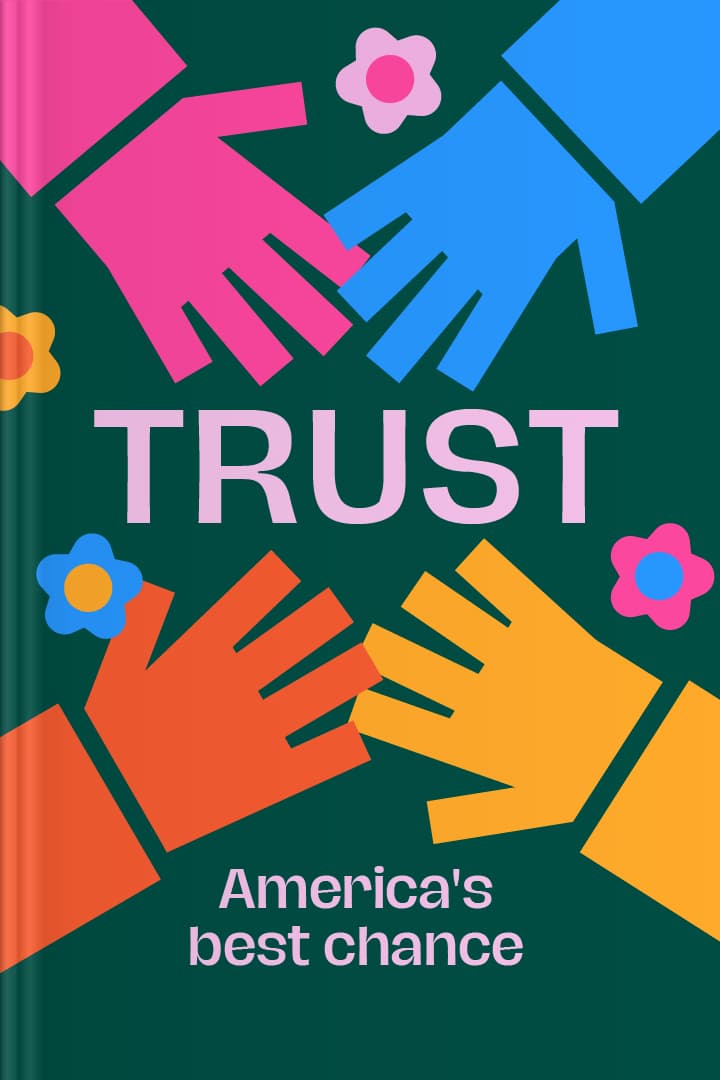
Pete Buttigieg's 'Trust' breaks down how leaders build credibility through honesty and consistency. Trust isn't something you demand — you earn it by showing up when it's hard and admitting when you're wrong. Buttigieg shares stories from his time as mayor, where he had to rebuild relationships with communities that felt ignored. His approach was simple: listen first, act second.
Barbara Demick's 'Nothing to Envy' takes you inside North Korea through the eyes of ordinary people. It's not a typical diplomacy book, but it reveals how isolation and propaganda destroy human connection. The stories show what happens when communication breaks down completely. You realize that even small acts of openness matter more than grand gestures.
Best books on diplomacy for handling tough situations
The best books on diplomacy give you tools for moments when everything feels impossible. They clearly show that staying composed is not easy when someone attacks your ideas or questions your judgment.
'Do What You Are' by Paul D. Tieger, Barbara Barron, and Kelly Tieger connects personality types to communication styles. You discover why some people need detailed explanations while others just want the bottom line. When you understand these differences, you stop wasting energy on approaches that never worked in the first place. You adapt your message to fit the person in front of you.
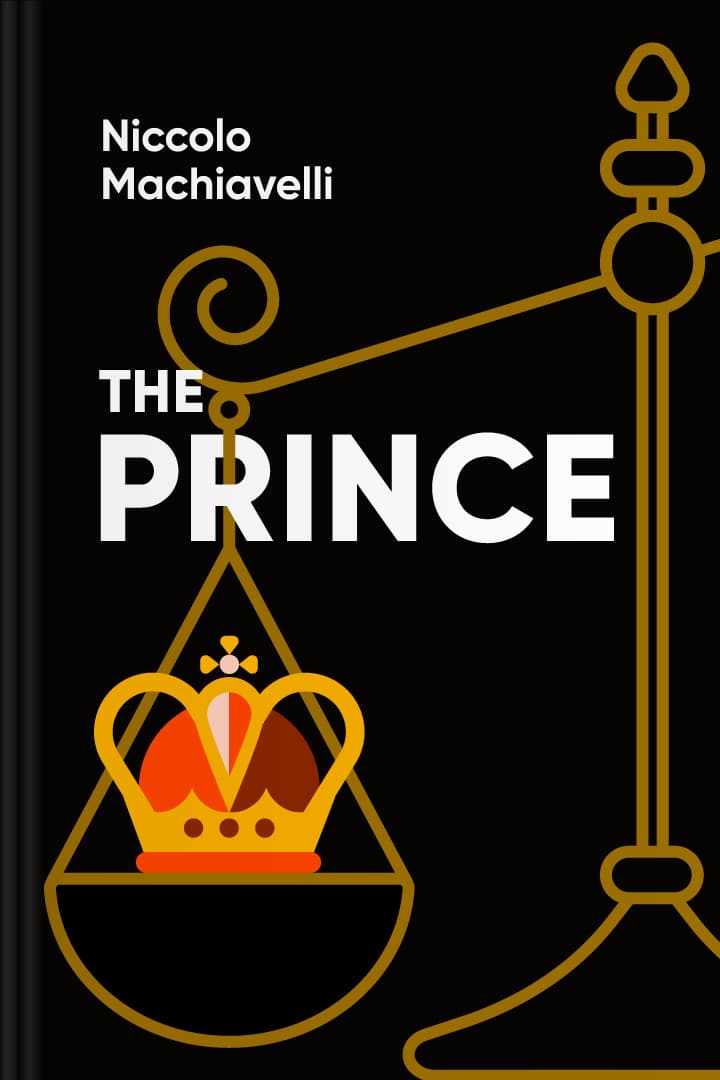
Niccolò Machiavelli's 'The Prince' is a foundational work on political tactics and diplomacy. Machiavelli demonstrates how a leader can hold onto power, take advantage of allies and enemies, and apply both principled and pragmatic techniques at the same time.
Machiavelli mentions the importance of taking a dispassionate view of the situation, acting judiciously, and managing the behavior of others in order to maintain stability and power. You learn to anticipate reactions, protect yourself from manipulation, and recognize when someone's playing games.
These books on diplomacy matter because they prepare you for real scenarios — not hypothetical ones. You'll face coworkers who undermine you, friends who betray your confidence, and family members who push your buttons.
Diplomacy isn't about being nice all the time. It's about knowing when to stand firm and when to step back. It's about reading people accurately and responding in ways that protect your goals without unnecessary collateral damage.

 Self-growth
 Business & Career
 Success
 Communication
 Healing
 Relationships
 Psychology
 Happiness