Your team keeps missing deadlines. People avoid meetings. Someone just quit without warning. The problem isn't your people. It's your culture.
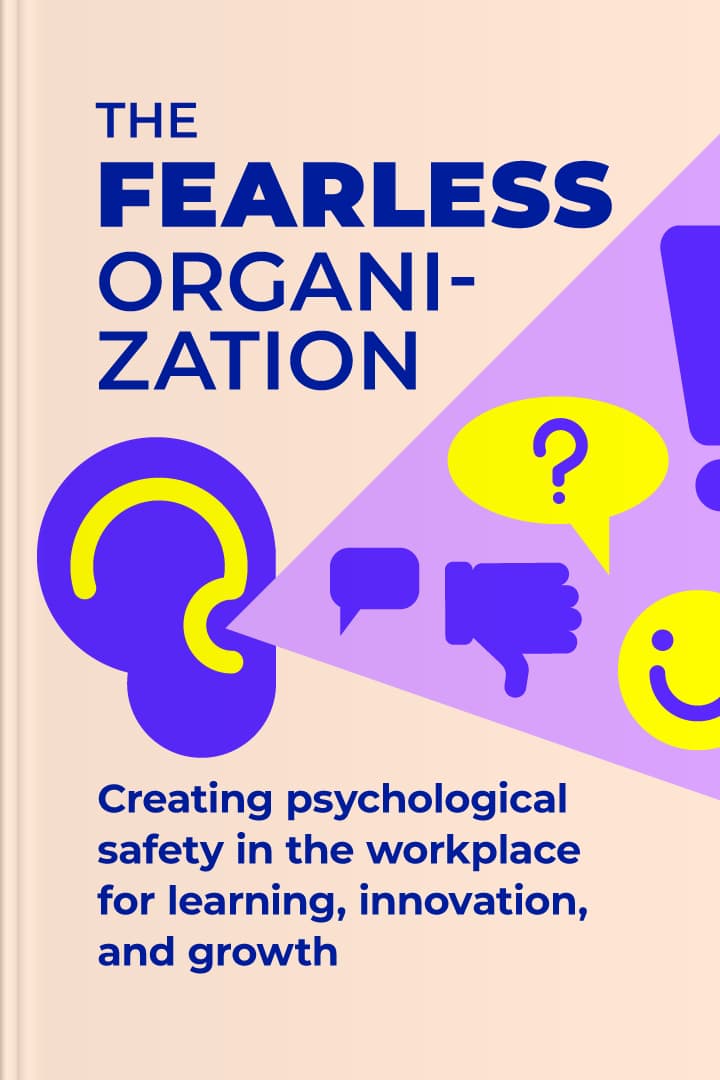
Best books on company culture reveal what most managers miss: the invisible rules that shape how work actually gets done. Daniel Coyle in 'The Culture Code' and Amy Edmondson in 'The Fearless Organization' show that great workplaces aren't built on perks. They're built on trust, clear values, and genuine connection.
Business culture books that fix real workplace problems
Business culture books teach you to spot the patterns you've been ignoring.
'The Cult of We' by Eliot Brown and Maureen Farrell shows how at WeWork the corporate culture turned from inspiration to illusion. Founder Adam Newman created an atmosphere of mission, where everyone believed they were "changing the world," but this gradually replaced real results with fanatical devotion to the idea. The company's culture was built on the charisma of the leader, loud slogans, and the feeling of a "big family" that blurred the lines between work and personal life. Ultimately, the book shows: when a corporate culture becomes a religion without critical thinking, it stops supporting development — and begins to destroy it.
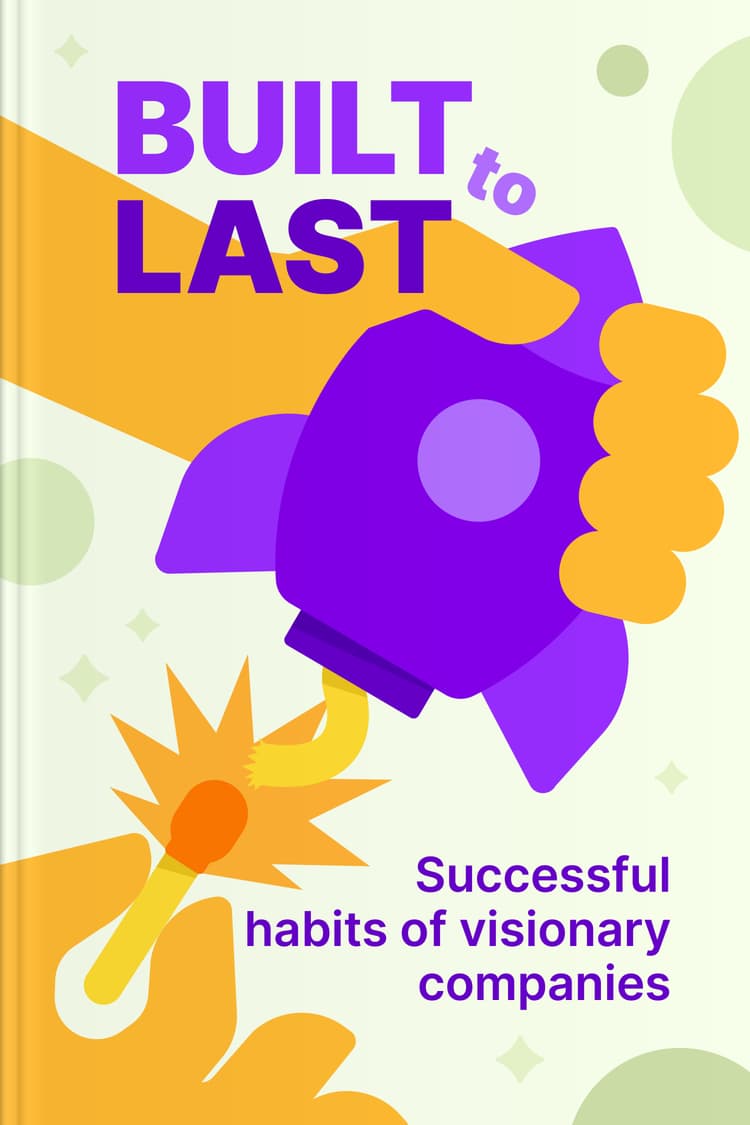
'Built to Last' by Jim Collins and Jerry Porras studied companies that survived for decades and found something surprising: the best ones didn't chase trends. They adhered to core principles even when it meant sacrificing short-term profits. That's the difference between a workplace that lasts and one that burns out.
These books address the stuff happening in your office right now. 'Let's Talk' by Therese Huston explains why one-on-one meetings can feel awkward and offers suggestions on how to address the issue. Gary Chapman's 'The 5 Languages of Appreciation in the Workplace' reveals why your 'great job' compliments often fall flat with half your team. You're not failing at culture. You just haven't learned the language yet.
Best books on company culture for building teams that stay
The best books on company culture focus on one truth: people don't quit jobs, they quit environments.
Scott Tannenbaum's 'Teams That Work' digs into why some groups click while others fall apart. It's not about hiring superstars. It's about creating conditions that enable normal people to do their best work.
Jeffrey Liker's 'The Toyota Way' proves this with decades of data. Toyota didn't dominate the auto industry because it had better engineers. They built a system that allowed every worker to identify and address problems. That's culture in action, not in mission statements.
Daniel Coyle's 'The Culture Code' studied groups from Navy SEALs to Pixar animators. He found that high-performing teams share specific behaviors: they make everyone feel safe to speak up, they admit vulnerability, and they remind each other why the work matters. These aren't soft skills. They're the mechanics of teams that don't implode under pressure.
What makes these books different from other leadership seminars? They give you actions, not slogans. 'The Fearless Organization' doesn't just say "be open." Amy Edmondson explains exactly how to respond when someone admits a mistake so they'll speak up next time.
That's the shift from knowing culture matters to actually changing it.

 Self-growth
 Business & Career
 Success
 Communication
 Healing
 Relationships
 Psychology
 Happiness