russia has launched a full-scale war in Ukraine. Donate to support Ukraine and protect the world’s peace.

7 Best Books on Bias

You think you're fair. You believe you judge people based on merit, not stereotypes. But then you catch yourself — surprised when someone defies your expectations, or realizing you made an assumption you can't quite explain. 

Books on unconscious bias reveal what your brain does without permission: the snap judgments, the invisible filters, the patterns you inherited without choosing them. These seven books won't just tell you that bias exists. They'll show you exactly how it works in your decisions, your relationships, and your daily life.

Books on unconscious bias that expose hidden patterns

Books on unconscious bias do something uncomfortable — they prove you're not as objective as you think. 

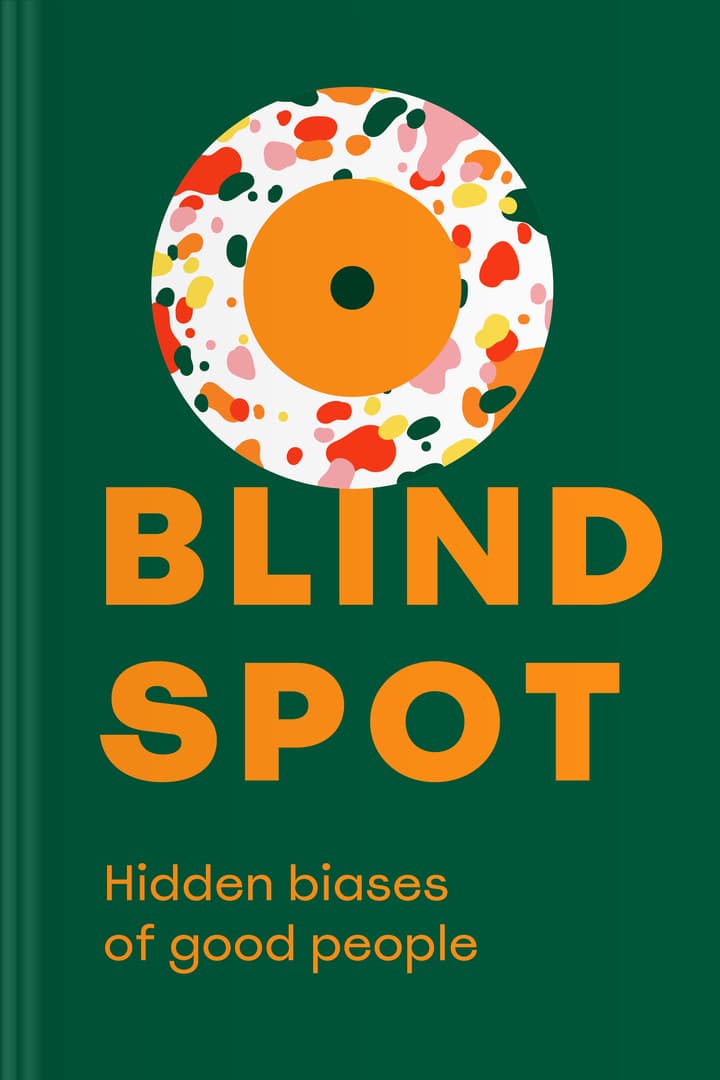
Take Mahzarin R. Banaji and Anthony G. Greenwald's 'Blindspot.' They created the Implicit Association Test, which measures biases you don't even know you have. Millions of people have taken it and discovered they hold preferences that contradict their conscious beliefs. You might genuinely support equality while your brain still makes automatic associations based on race, gender, or age.

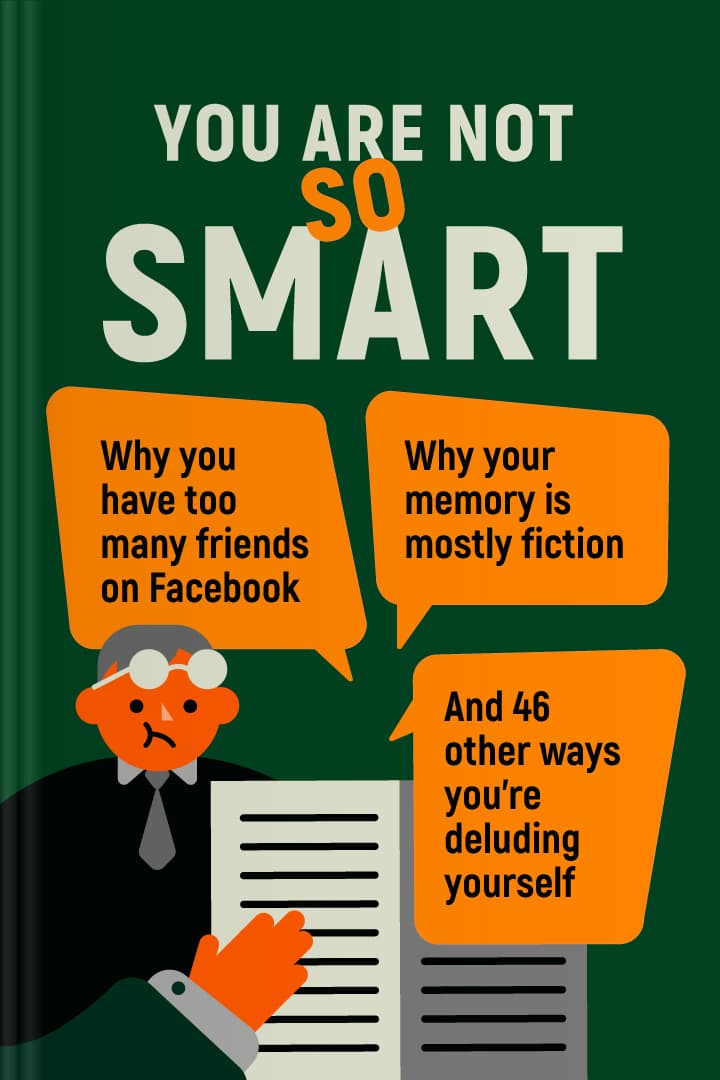
Or look at David McRaney's 'You Are Not So Smart.' It's a fun, slightly sarcastic journey inside our heads. He shows that the brain is not a wise magician, but rather a stand-up comedian, constantly inventing shortcuts to save energy. And it is these "brain hacks" that become prejudices.

McRaney explains why we are sure that we remember events accurately, although the brain rewrites them like an editor on a deadline. Or why we fall in love with a first impression, even if it is wrong — the effect of attachment in action. 

His examples are very everyday. Do you buy something "on sale" because it seems profitable? Hello, the lure effect. Are you sure that others think more of you than they really are? Oh, it's the spotlight effect.

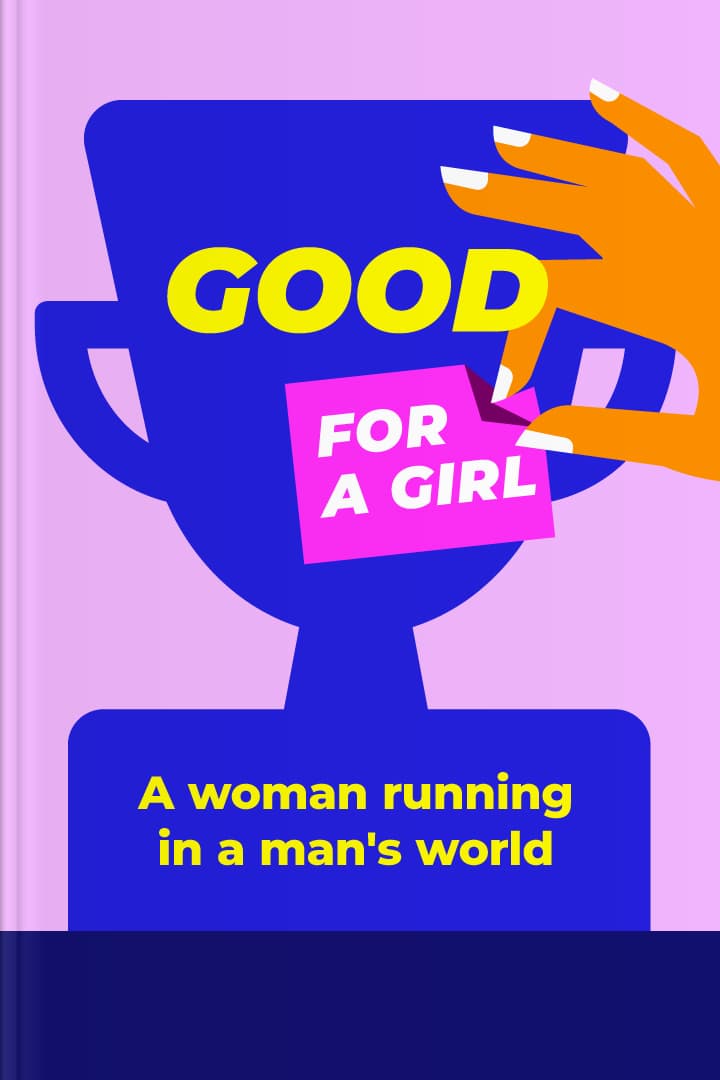
Lauren Fleshman's 'Good for a Girl' addresses bias in sports, highlighting how female athletes face different standards from the outset. She wasn't just fighting opponents. She was fighting assumptions about what women's bodies should do, what pain they should tolerate, and what success should look like for them. Her story makes bias personal and specific, not just an abstract concept.

Best books on unconscious bias for making better decisions

The best books on unconscious bias don't stop at awareness. They give you tools to make fairer choices.

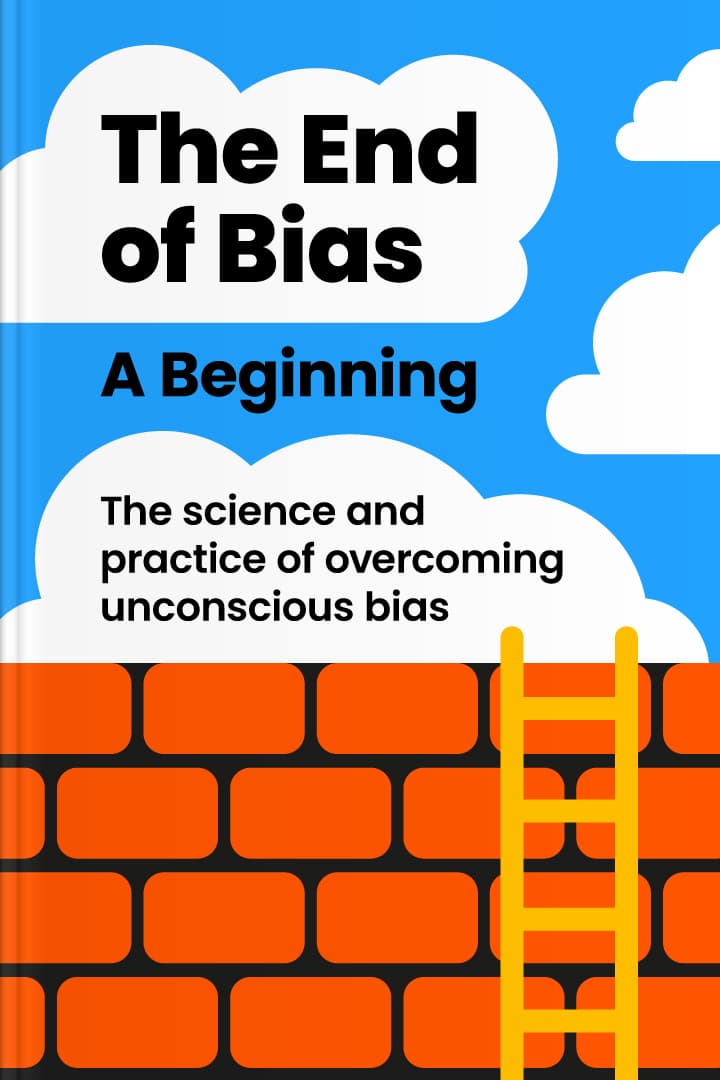
Jessica Nordell's 'The End of Bias' examines interventions that actually work. Blind auditions increased the number of women in orchestras by 50%. Simple changes in how you structure decisions can significantly reduce bias. You can't eliminate bias entirely, but you can design systems that limit its influence.

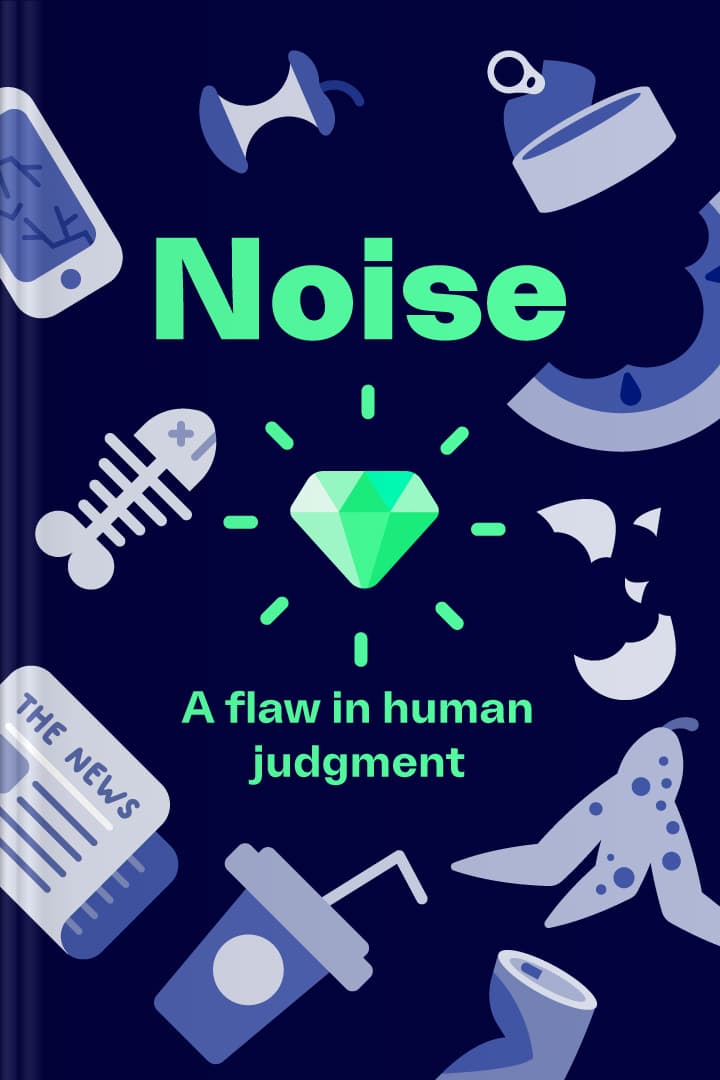
Daniel Kahneman's 'Noise' adds another layer. 'Noise' reveals that our decisions are not only influenced by bias but also by noise — random fluctuations in judgments. Even experts doing the same job make different decisions because of process, mood, or context instability. Kahneman divides the problem into two parts: systematic errors (biases) and nonrandom but inconsistent errors (noise). For example, two doctors may evaluate the same case differently — not because of bias, but because of random factors.

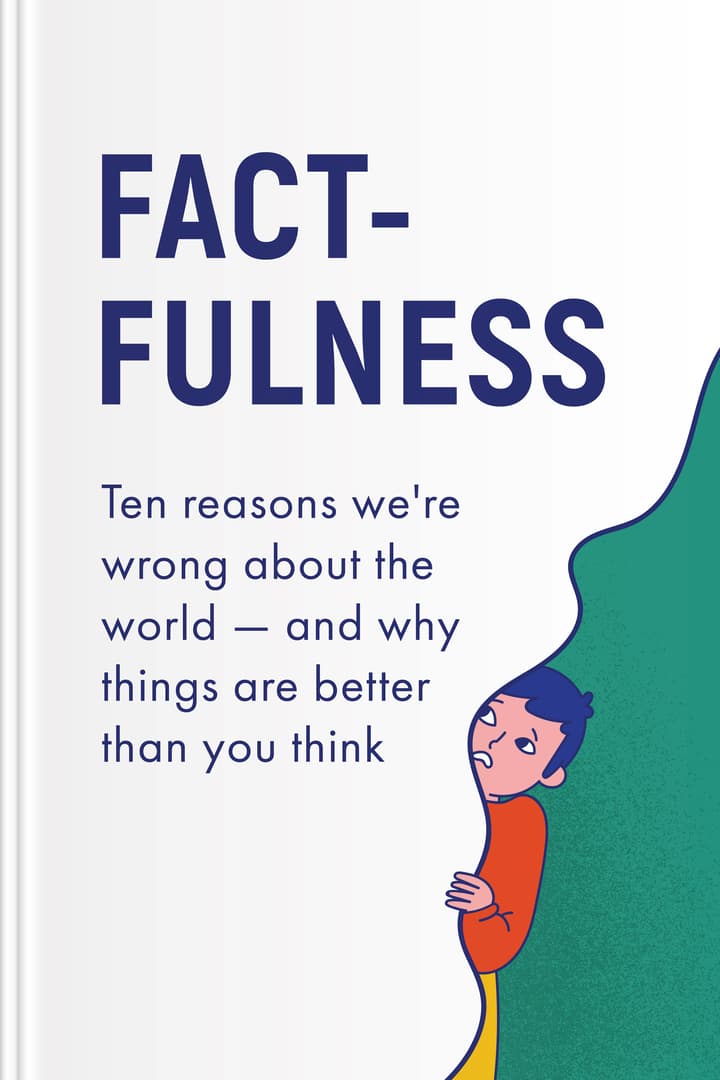
Hans Rosling's 'Factfulness' tackles how bias distorts your view of the entire world. You probably think things are worse than they are. That's the negativity instinct — your brain remembers bad news and ignores gradual improvements. 

Rosling uses data to challenge ten instincts that make you see the world incorrectly. When you check your assumptions against actual numbers, your perspective shifts completely.

These books on bias share one idea: your brain is constantly lying to you, but you can learn to question it. Start with one book that matches where you see bias affecting you most — workplace decisions, personal relationships, or how you consume news.

Noise

by Daniel Kahneman, Ph.D., Olivier Sibony, PhD, Cass R. Sunstein

What is Noise about?

In this thought-provoking book, three renowned authors delve into the fascinating world of human judgment and decision-making. Exploring the concept of noise, they reveal how seemingly identical decisions can vary widely due to random factors, biases, and inconsistencies. Drawing on extensive research and real-life examples, the authors challenge our assumptions about rationality and offer practical insights to reduce noise and improve decision-making in various fields, from medicine to law. A compelling read that sheds light on the flaws in our judgment and the potential for improvement.

Who should read Noise

  • Individuals interested in understanding the impact of noise on decision-making.

  • Psychologists and researchers studying cognitive biases and judgment errors.

  • Professionals seeking to improve their decision-making processes and outcomes.

Good for a Girl

by Lauren Fleshman

What is Good for a Girl about?

In this empowering memoir, Lauren Fleshman shares her journey as a female athlete in a male-dominated world. From her early days as a runner to becoming a professional athlete, Fleshman candidly explores the challenges she faced, the victories she achieved, and the lessons she learned along the way. With honesty and determination, she inspires readers to break barriers, challenge stereotypes, and pursue their dreams, proving that being "good for a girl" is simply being exceptional.

Who should read Good for a Girl

  • Female athletes seeking inspiration and empowerment in a male-dominated field.

  • Men interested in gaining insight into the challenges faced by women in sports.

  • Anyone looking for a compelling memoir about breaking barriers and pursuing dreams.

The End of Bias

by Jessica Nordell

4.6 (169 reviews)

What is The End of Bias about?

"The End of Bias: A Beginning" explores the intricate world of unconscious bias, shedding light on the science behind it and offering practical strategies to overcome it. Written by Jessica Nordell, this insightful book delves into the ways bias affects our daily lives, from decision-making to relationships, and provides a roadmap for fostering inclusivity and equality. With a blend of research, personal anecdotes, and actionable advice, Nordell invites readers to embark on a transformative journey towards a more unbiased society.

Who should read The End of Bias

  • Professionals seeking to understand and address unconscious bias in the workplace.

  • Educators and trainers interested in promoting diversity and inclusion.

  • Individuals looking to challenge their own biases and foster change.

Blindspot

by Mahzarin R. Banaji and Anthony G. Greenwald

4.5 (2451 reviews)

What is Blindspot about?

"Blindspot: Hidden Biases of Good People" delves into the unconscious biases that exist within all individuals, regardless of their intentions or beliefs. Written by Mahzarin R. Banaji and Anthony G. Greenwald, this thought-provoking book explores the science behind implicit biases, shedding light on how they shape our perceptions, decisions, and actions. Through compelling research and real-life examples, the authors challenge readers to confront their own blindspots and strive for a more inclusive and equitable society.

Who should read Blindspot

  • Individuals interested in understanding and challenging their unconscious biases.

  • Psychologists and researchers studying implicit biases and human behavior.

  • Professionals seeking to create inclusive environments and reduce discrimination.

You Are Not So Smart

by David McRaney

4.5 (1859 reviews)

What is You Are Not So Smart about?

In this eye-opening book, the author delves into the fascinating world of human psychology to expose the numerous ways in which we deceive ourselves. From the illusion of knowledge to the power of confirmation bias, McRaney explores why we believe false information, make irrational decisions, and maintain an inflated sense of self. With wit and insight, he challenges our assumptions, revealing the quirks and biases that shape our thinking and behavior in the age of social media and beyond.

Who should read You Are Not So Smart

  • Anyone interested in understanding the illusions and biases of human cognition.

  • Social media users seeking insights into their online behavior.

  • Individuals curious about the fallibility of their own memories.

Factfulness

by Hans Rosling, Anna Rosling Rönnlund, Ola Rosling

4.6 (20066 reviews)

What is Factfulness about?

"Factfulness" challenges common misconceptions about the state of the world by presenting ten reasons why our understanding is often flawed. Drawing on extensive data and personal experiences, the authors argue that despite prevailing negativity, global progress has been significant. They provide a refreshing perspective on topics such as poverty, education, and health, urging readers to adopt a fact-based worldview and embrace a more optimistic outlook on the future.

Who should read Factfulness

  • Students and educators seeking a fresh perspective on global issues.

  • Individuals interested in challenging their preconceived notions about the world.

  • Policy makers and leaders looking for evidence-based insights on progress.

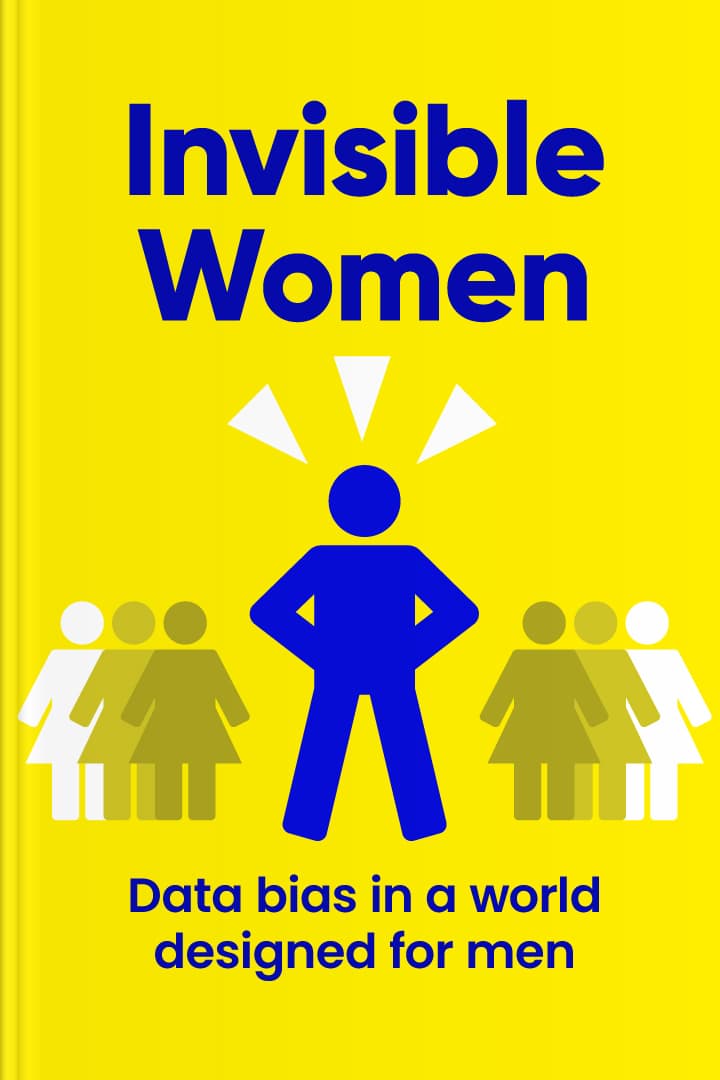
Invisible Women

by Caroline Criado Perez

What is Invisible Women about?

This book sheds light on the hidden gender bias that exists in our society due to the lack of gender-disaggregated data. Caroline Criado Perez explores how this data gap affects women's lives in various aspects, from healthcare and employment to transportation and urban planning. Through compelling examples and thorough research, she exposes the consequences of this bias and calls for a more inclusive and equitable approach to data collection and decision-making.

Who should read Invisible Women

  • Policy makers and researchers seeking to address gender data gaps.

  • Women and men interested in understanding gender inequalities in society.

  • Professionals in fields like technology and urban planning seeking to create more inclusive designs.