You've seen the photos in history books. Black South Africans forced to carry passes, beaches divided by race, families torn apart. But textbooks rarely capture what it felt like to live under apartheid — the daily humiliations, the quiet acts of resistance, the weight of injustice.
The best books on apartheid take you there. They show you what people actually experienced, not just the legislation and dates. These three books offer different windows into one of history's most systematic forms of oppression.
Best books on apartheid that show the human cost
The best books on apartheid don't just explain the system. They show you how it shaped individual lives in ways both devastating and unexpected.
Trevor Noah's 'Born a Crime' opens with a simple fact: his birth was illegal. His Swiss-German father and Black Xhosa mother violated the Immorality Act just by conceiving him. Noah spent his childhood being hidden, moved from one home to another, and was often kept indoors so that neighbors wouldn't report his family. His humor doesn't soften these realities. It makes them sharper. You laugh at his stories about pretending to be a colored kid at one school and a white kid at another, then realize he's describing a child navigating multiple identities just to survive.
When he writes about his mother throwing him from a moving car to save him from her abusive partner, you understand how apartheid's violence extended beyond state brutality into homes and relationships. Noah's storytelling connects the political to the personal in ways that statistics never could. You see apartheid through a child's confused eyes, then through a teenager's frustrated ones.
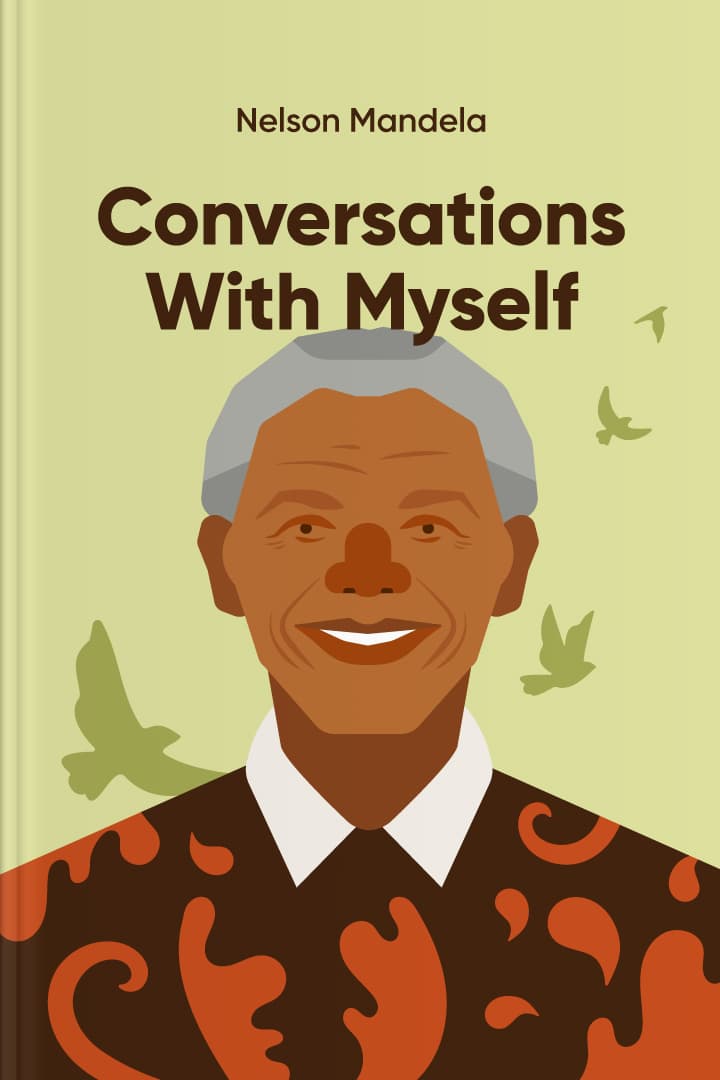
Nelson Mandela's 'Conversations with Myself' takes a different approach. These are his prison letters, diary entries, and unfinished drafts. You're reading his private thoughts during 27 years of imprisonment. Mandela writes about missing his children's childhoods, about the crushing isolation of Robben Island, about maintaining hope when release seemed impossible.
What surprises many readers is his pragmatism. He wasn't just an idealist. Mandela was a strategist who understood that ending apartheid required negotiation, not just resistance. His reflections on eventually meeting with the same government officials who imprisoned him show how he balanced moral clarity with political realism.
Best books about apartheid and building bridges
The best books about apartheid also explore what came after.
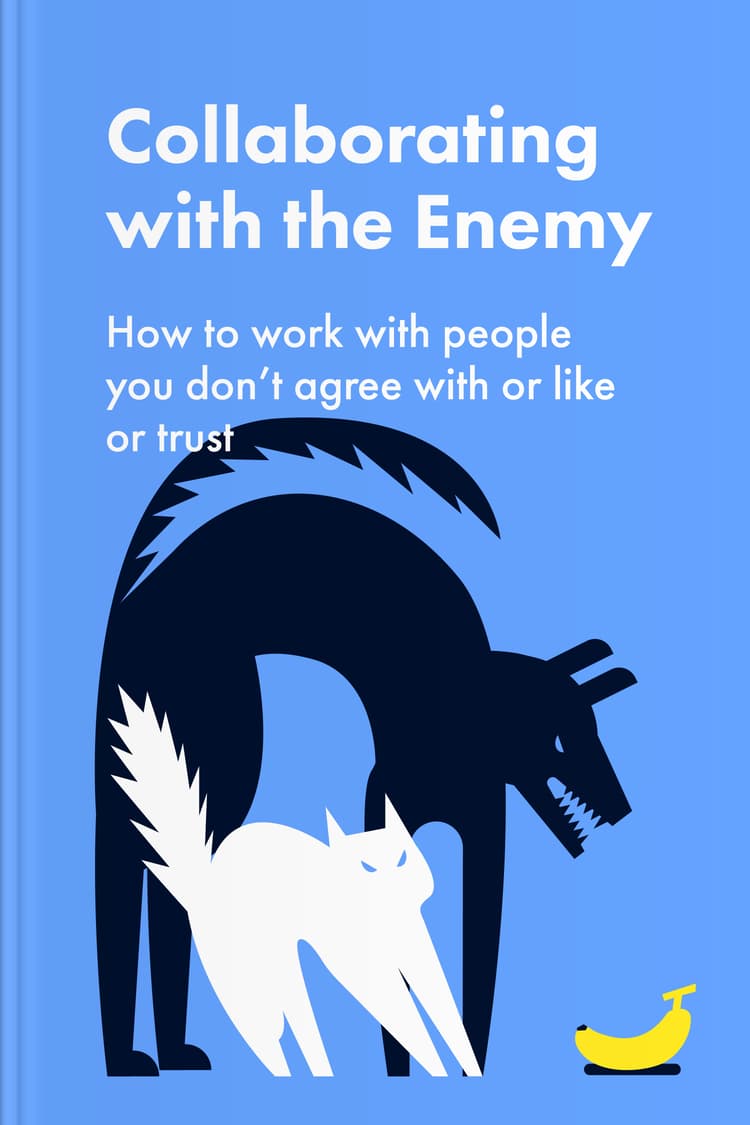
Adam Kahane's 'Collaborating with the Enemy' tells an unusual story. After apartheid ended, he facilitated meetings between former enemies — ANC freedom fighters, white politicians, and business leaders who'd profited from the old system. Kahane wasn't naive about reconciliation. He describes how people who'd literally fought each other had to sit in the same room and plan a new country. The tension was real. So was the hatred.
What makes his book valuable is the honesty about what dialogue actually requires. It's not about forgiveness or friendship. It's about finding ways forward when you still fundamentally distrust each other. Kahane shows the messy, uncomfortable process of building a new society from the wreckage of an old one. He doesn't romanticize it.
These books matter because apartheid wasn't ancient history. It ended in 1994. People who lived under it are still alive. The structures it created still shape South African society. Reading about apartheid helps you understand how systemic oppression works, how it's maintained, and what it takes to dismantle it.
Noah shows you the absurdity and cruelty of racial classification. Mandela demonstrates the cost of resistance and the complexity of change. Kahane reveals the difficult work that follows victory. You finish these books understanding apartheid not as a distant historical event, but as a recent system that people fought against, survived, and are still recovering from.

 Self-growth
 Business & Career
 Success
 Communication
 Healing
 Relationships
 Psychology
 Happiness